The Thrill of Risk and Reward
High-stakes gambling is often synonymous with thrill and excitement. Gamblers are attracted to the adrenaline rush that comes from risking large amounts of money. The psychology behind this behavior is rooted in the human brain’s response to risk and reward. When a gambler places a significant bet, their brain releases dopamine, a neurotransmitter associated with pleasure and reward, which can be found in various gaming experiences like at bodibeautiful.co.uk , creating a sense of euphoria and anticipation that can be intoxicating, often leading individuals to pursue gambling as a way to experience these heightened states of emotion.
Moreover, the allure of potential financial gain plays a significant role in the decision to engage in high-stakes gambling. The thought of winning a substantial amount of money can overshadow the risks involved. This is particularly true for individuals who may feel a lack of control in other areas of their lives. Gambling offers them a sense of empowerment and the possibility of changing their financial situation dramatically, creating a compelling narrative that draws them deeper into the gambling world.
However, this thrill can lead to a double-edged sword. While the initial excitement can be exhilarating, the potential for loss can also lead to stress and anxiety. Gamblers often experience a cycle of highs and lows, creating a rollercoaster of emotions that can be addicting. Understanding this emotional cycle is crucial for recognizing the impact of high-stakes gambling on an individual’s psyche, as the thrill of winning can quickly turn into the despair of loss, leading to compulsive gambling behaviors.
The Illusion of Control
A common psychological phenomenon in high-stakes gambling is the illusion of control. Gamblers often believe they can influence the outcome of a game, even in games of chance like roulette or slot machines. This belief can lead players to engage in superstitious behaviors, such as wearing lucky items or following rituals before placing bets. These actions are rooted in a cognitive bias that skews the perception of randomness and probability, making gamblers feel as though they have more power over the outcomes than they actually do.
This illusion can be particularly pronounced in high-stakes environments where the stakes feel more significant. Gamblers may interpret sequences of wins or losses as patterns that they can control through their actions. For instance, a player might believe that they can “turn the tide” in their favor by making specific choices, ultimately leading to more significant gambling sessions and greater financial risks. This false sense of empowerment often leads to deeper gambling commitments and increased stakes as individuals chase their perceived control over luck.
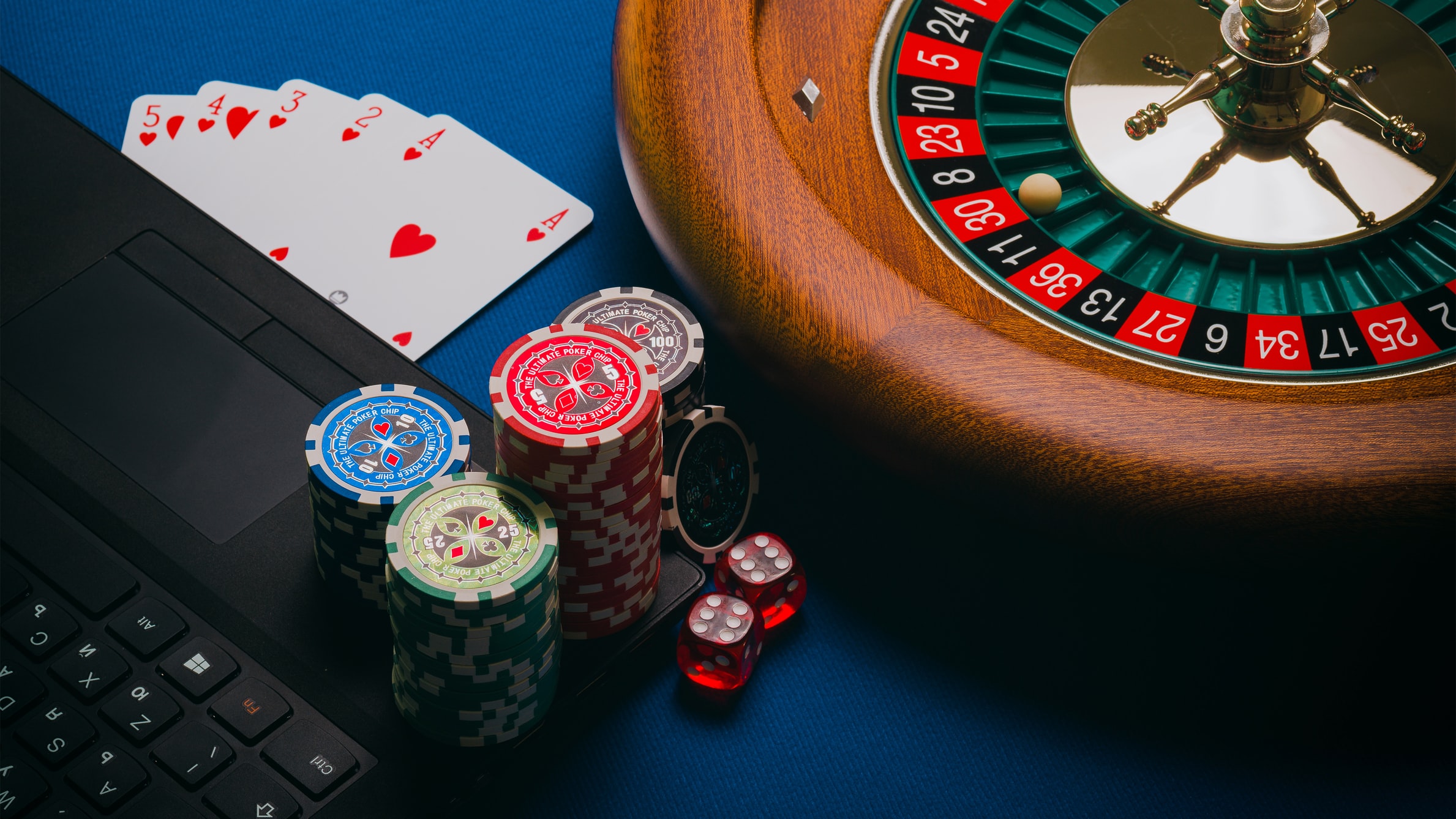
The psychological impact of this belief system is profound. It can lead individuals to chase losses in the hopes of regaining their previous stakes, often leading them to wager even larger amounts than initially intended. This can spiral into compulsive gambling habits and a sense of helplessness when the losses accumulate, further complicating their mental state. Recognizing the illusion of control is a critical step for gamblers to regain their perspective and mitigate the risks associated with high-stakes gambling.
The Role of Social Influence
In high-stakes gambling, social dynamics play a considerable role in shaping an individual’s behavior. Many gamblers are influenced by their peers, whether they are friends, family, or even strangers within the gambling environment. The presence of others can amplify the thrill and create a sense of camaraderie that makes gambling feel more exciting. Peer pressure can lead individuals to take risks that they might otherwise avoid, especially when surrounded by enthusiastic participants who are also willing to gamble large sums of money.
Moreover, the social aspect of gambling can create a feedback loop that reinforces gambling behavior. When individuals witness others winning large amounts of money, it can serve as a powerful motivator. They may view these wins as attainable goals, encouraging them to increase their own bets despite the risks. Social environments, such as casinos, often curate an atmosphere that reinforces these behaviors, making it challenging for individuals to step back and reassess their choices. The excitement of shared victories can cloud judgment and lead to decisions they may not have made in isolation.
This connection between social influence and high-stakes gambling extends beyond immediate peers. It includes media portrayals and cultural narratives that glamorize gambling. Movies, television shows, and advertisements often depict gambling as an exciting and glamorous lifestyle, further enticing individuals to participate. This broader societal endorsement can contribute to the normalization of high-stakes gambling, impacting individuals’ perceptions and decision-making processes. As a result, understanding social influences is vital for those looking to navigate the complex world of gambling responsibly.
The Psychological Aftermath of Loss
The psychological impact of high-stakes gambling extends beyond the thrill of potential winnings; it also encompasses the profound emotional fallout from losses. When individuals lose substantial amounts of money, they can experience a range of negative emotions, including shame, guilt, and depression. These feelings can be exacerbated by the initial thrill of the game, creating a stark contrast that heightens the sense of loss. The initial euphoria of winning can make losses feel even more catastrophic, leading to a deep emotional crisis.

For many, the aftermath of losing can lead to desperate measures, such as borrowing money or seeking illegal means to recover losses. This compulsive behavior is often driven by the need to alleviate the emotional pain associated with loss. Gamblers may develop a fixation on the idea of a “big win” that will offset their previous losses, leading to a dangerous cycle of gambling that is challenging to break. This cycle can create a toxic relationship with gambling, where the thrill of winning is perpetually chased but rarely achieved.
Additionally, the psychological toll can affect personal relationships and overall well-being. The stigma associated with gambling losses can lead to isolation, as individuals may feel embarrassed or ashamed to discuss their experiences. This isolation can prevent them from seeking help or support, further entrenching the negative cycle. Acknowledging and addressing the psychological consequences of high-stakes gambling is essential for promoting healthier behaviors and ensuring individuals can find ways to cope with loss. Understanding these emotional impacts can pave the way for recovery and healing.
Your Journey to Understanding Gambling Psychology
Understanding the psychology behind high-stakes gambling is essential for both gamblers and those looking to support them. By delving into the mechanisms that drive gambling behavior, individuals can better recognize the emotional and psychological stakes involved. This knowledge is crucial for developing healthier gambling habits and fostering awareness of the potential risks. Education about gambling psychology can empower both players and their loved ones to engage in open discussions about the risks and realities of gambling.
The exploration of this topic can empower individuals to make informed decisions and recognize when gambling may be transitioning from a fun pastime to a problematic behavior. Resources and support networks exist for those seeking help, emphasizing that it is possible to regain control and approach gambling in a more balanced way. Professional counseling and support groups can provide vital assistance for those who find themselves struggling with their gambling habits.
Ultimately, awareness of the psychological factors that influence gambling behavior can lead to healthier practices, reducing the risk of addiction and promoting responsible gambling. Embracing a comprehensive understanding of these complexities can pave the way for a more fulfilling approach to gaming and entertainment. Through education, support, and self-awareness, individuals can navigate the world of gambling safely and healthily, ensuring that the thrill remains a source of enjoyment rather than a path to despair.